Oct, 2026

Executive Roadshow Case Study: A Better Plan
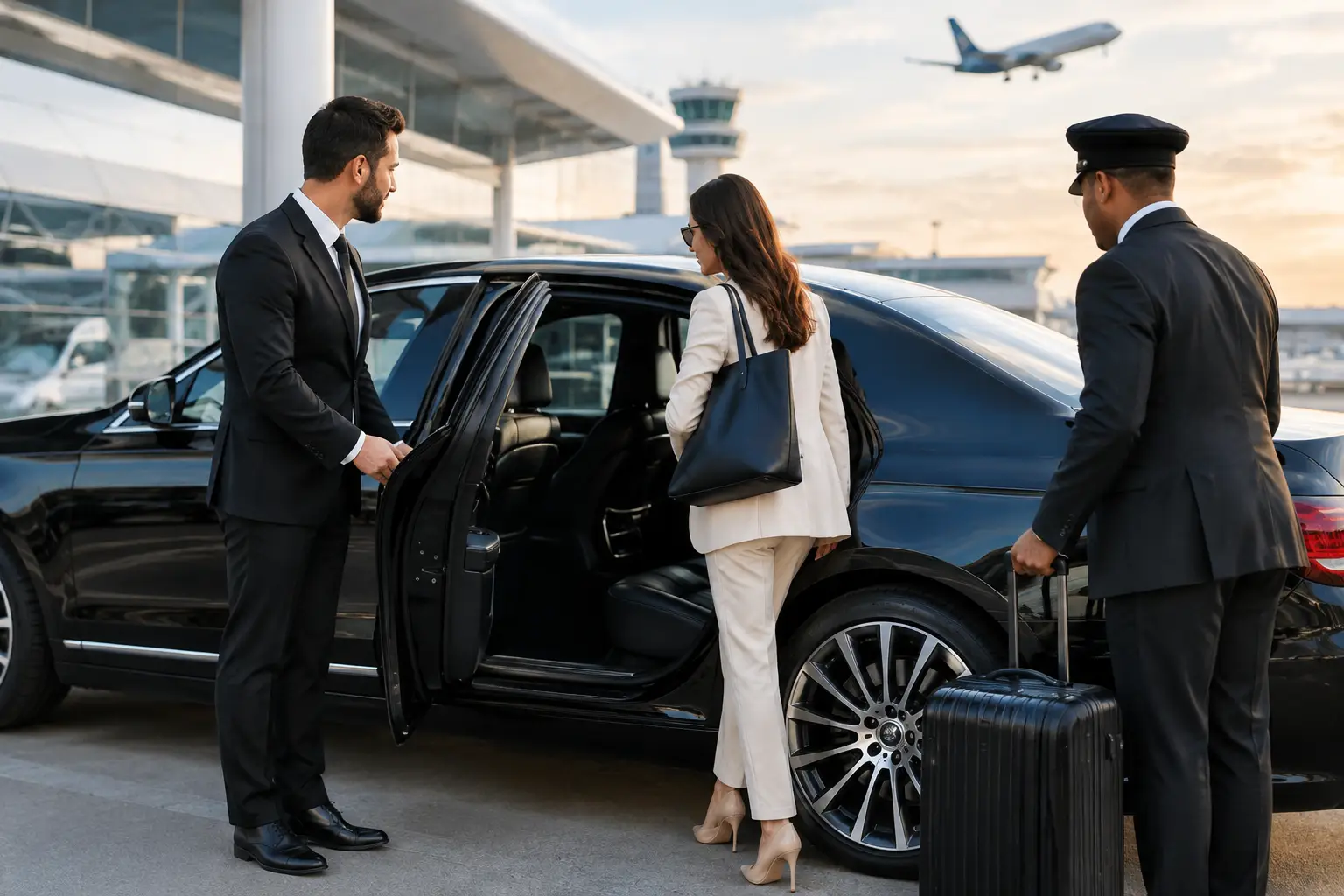
A three-city leadership tour can look straightforward on a calendar: breakfast meeting, client presentation, lunch, site visit, and a return flight. This executive roadshow case study shows why the transportation plan behind that schedule deserves the same attention as the agenda itself. When every stop involves senior leaders, confidential discussions, and limited time between appointments, prearranged private transportation becomes an operational decision, not simply a ride.
The Roadshow: One Day, Multiple High-Stakes Stops
This illustrative case study follows a corporate travel coordinator arranging a one-day Indiana roadshow for two visiting executives and a local account director. Their agenda included an early airport pickup, a meeting in Carmel, a presentation in downtown Indianapolis, a working lunch near Greenwood, and an afternoon visit with a client team before an evening departure.
The itinerary had little margin for confusion. The travelers needed space to review presentation materials, take private calls, and make last-minute adjustments between meetings. They also needed a single point of coordination rather than a series of separate transportation arrangements.
The coordinator selected a prearranged luxury SUV with professional chauffeur service. The vehicle was chosen for passenger comfort, luggage capacity, and room for laptops, presentation folders, and carry-on bags. More importantly, the service was planned around the full day rather than treating each leg as an isolated trip.
What Made the Original Plan Risky
At first, the roadshow was built around individual pickups and drop-offs. On paper, this appeared flexible. In practice, it created several avoidable questions: Who would confirm each next ride? Where would the vehicle wait during meetings? What happened if a client requested a longer conversation? How would the group stay together if an appointment moved to a different building?
For executive travel, small gaps in planning can have outsized effects. A five-minute delay is not always a major issue, but uncertainty can disrupt preparation time, create unnecessary calls to the travel coordinator, and make a carefully planned day feel rushed.
The group also had a privacy consideration. The executives planned to discuss contract terms and internal strategy between stops. A quiet, private vehicle gave them a suitable setting to work without treating travel time as lost time.
The Transportation Strategy
The coordinator and chauffeur service built the schedule around three principles: confirmed timing, clear communication, and practical flexibility. Pickup details, passenger names, flight information, meeting locations, and planned wait periods were confirmed in advance. The chauffeur had the complete itinerary and understood that the day could change as conversations developed.
Instead of asking the executives to manage transportation throughout the day, the chauffeur remained assigned to the itinerary. After the airport arrival, the group moved directly to the first meeting and retained the same vehicle and chauffeur between each scheduled stop.
This approach did not mean every minute could be predicted. Traffic conditions, flight operations, and client meetings can change. It meant there was a plan for managing those changes without forcing the travelers to start over with a new arrangement at every location.
Arrival Planning Began Before the Flight Landed
Airport travel was the first critical moment. Flight details were provided when the reservation was made, allowing the pickup to be organized around the arrival schedule. The travelers knew where to expect their chauffeur and had clear contact information for the service team.
For corporate coordinators, this level of preparation reduces the need for repeated status checks. It also gives visiting executives a more composed arrival experience after a flight, particularly when their first meeting is shortly after landing.
The Vehicle Became a Mobile Preparation Space
During the drive from the airport to Carmel, the team reviewed the morning presentation and made a final change to a slide deck. On the way to downtown Indianapolis, they used the travel time to debrief the first meeting and assign follow-up responsibilities.
That is a meaningful distinction in an executive roadshow case study. The value of chauffeur service is not limited to getting from one address to another. It is the ability to protect productive time between commitments while the logistics are handled by someone else.
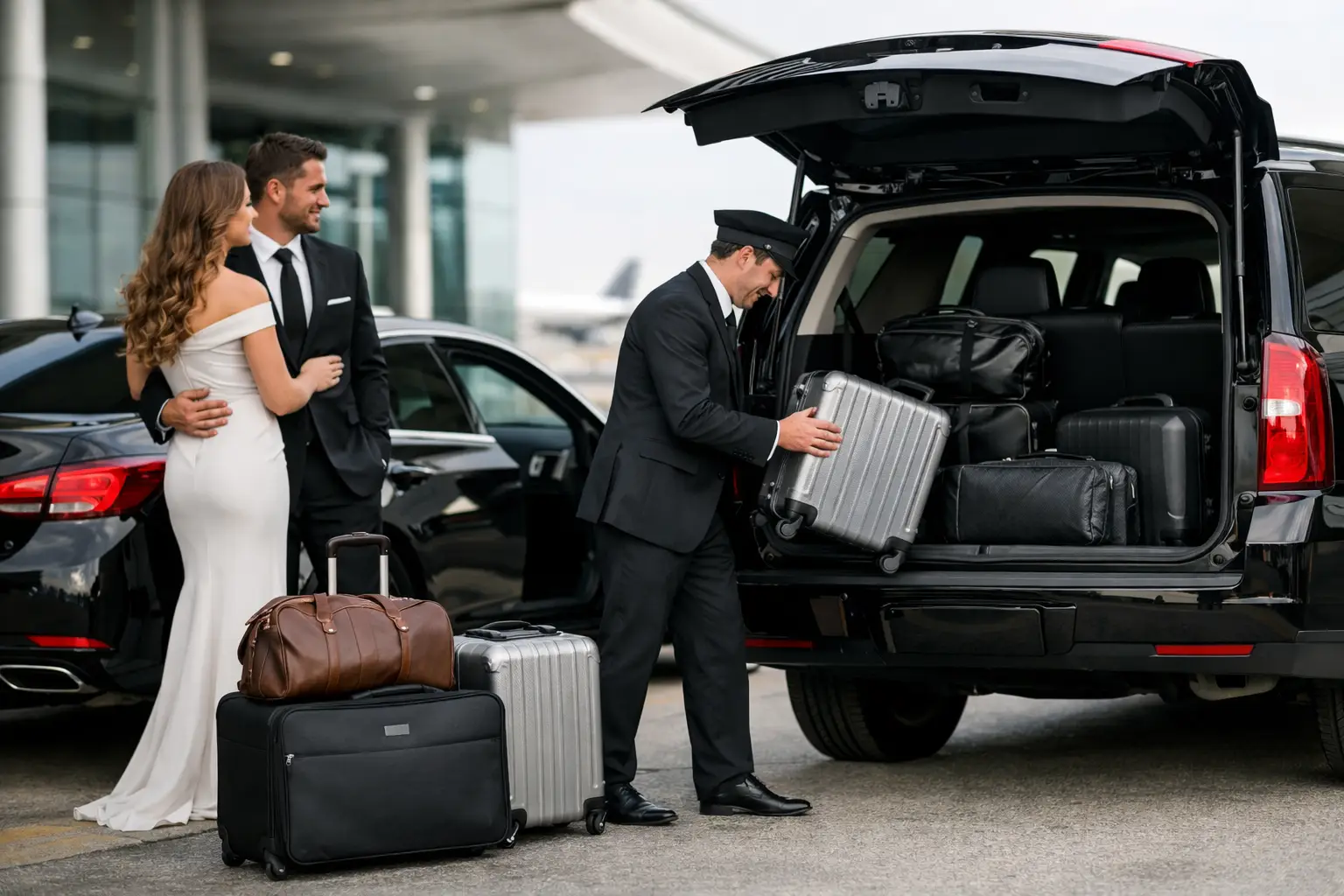
A luxury sedan may be ideal for one or two travelers with light luggage. For a small executive group, an SUV can offer more room for passengers and materials. The right choice depends on the number of travelers, amount of luggage, and whether the group expects to work during the ride.
How the Plan Handled a Midday Change
The original lunch reservation was scheduled for 12:30 p.m. After the downtown presentation ran longer than expected, the account director requested a later arrival. Because transportation had been arranged for the day, the coordinator could communicate the update through one established point of contact.
The chauffeur adjusted the next departure around the revised schedule, while the group stayed focused on the client conversation. There was no need to locate another vehicle, repeat pickup instructions, or split the party.
This is where hourly chauffeur service can be especially useful. It suits schedules with several stops, uncertain meeting lengths, or executives who may need to add a nearby appointment. A point-to-point reservation can be the better fit when the itinerary is firm and straightforward. The right option depends on how much flexibility the roadshow actually requires.
What the Travel Coordinator Gained
By the end of the day, the coordinator had fewer moving parts to manage. Instead of monitoring separate trips, they had one confirmed transportation plan with clear service expectations. Upfront pricing also helped the company approve the arrangement before travel began, rather than leaving costs unclear until after the roadshow.
The executives benefited from a more consistent experience. They traveled together, kept their materials with them, and had a comfortable setting between meetings. The client-facing account director benefited as well, because they could focus on hosting the visiting team rather than navigating parking, pickup logistics, or changing meeting locations.
For a company arranging travel across Indianapolis, Carmel, Fishers, Greenwood, or other Indiana business destinations, the same principle applies: transportation should support the agenda rather than compete with it. Airport Limousine LLC provides prearranged private transportation for corporate travel that calls for professional chauffeurs, privacy, and dependable coordination.
Planning an Executive Roadshow With Fewer Surprises
A strong roadshow reservation starts with more than pickup and drop-off addresses. Share flight details, the complete list of planned stops, passenger count, luggage needs, and the name of the person authorized to make day-of changes. If meetings involve sensitive conversations or presentation preparation, mention that as well so the vehicle selection reflects how the group will use the time.
It also helps to build realistic transition time into the schedule. A roadshow should not rely on every meeting ending at the exact minute listed on the calendar. Leaving reasonable space between appointments protects the experience without promising a specific travel time that conditions may not support.
Finally, decide where flexibility matters most. If the day includes one airport transfer and a single client meeting, a direct private ride may be all that is needed. If it includes several meetings, changing locations, or leadership guests whose schedules may evolve, a dedicated hourly arrangement can provide more practical control.
The most polished executive travel rarely calls attention to itself. It simply gives leaders a calm place to prepare, a reliable way to move through the day, and the confidence that the next stop is already accounted for.
Need Private Transportation in Indianapolis?
Get a personalized quote for airport transportation, black car service, corporate travel, or private transportation with Airport Limousine LLC.
Get a QuoteRecent Posts
-
October 8, 2026Executive Roadshow Case Study: A Better Plan
-
 October 5, 2026Can Chauffeurs Wait After Landing? What to Expect
 -
 October 5, 2026Flight Cancellation Recovery: What to Do Next
 -
 September 28, 2026Are Chauffeurs Background Checked Before Service?
 -
 September 25, 2026How to Coordinate Executive Roadshow Transportation